
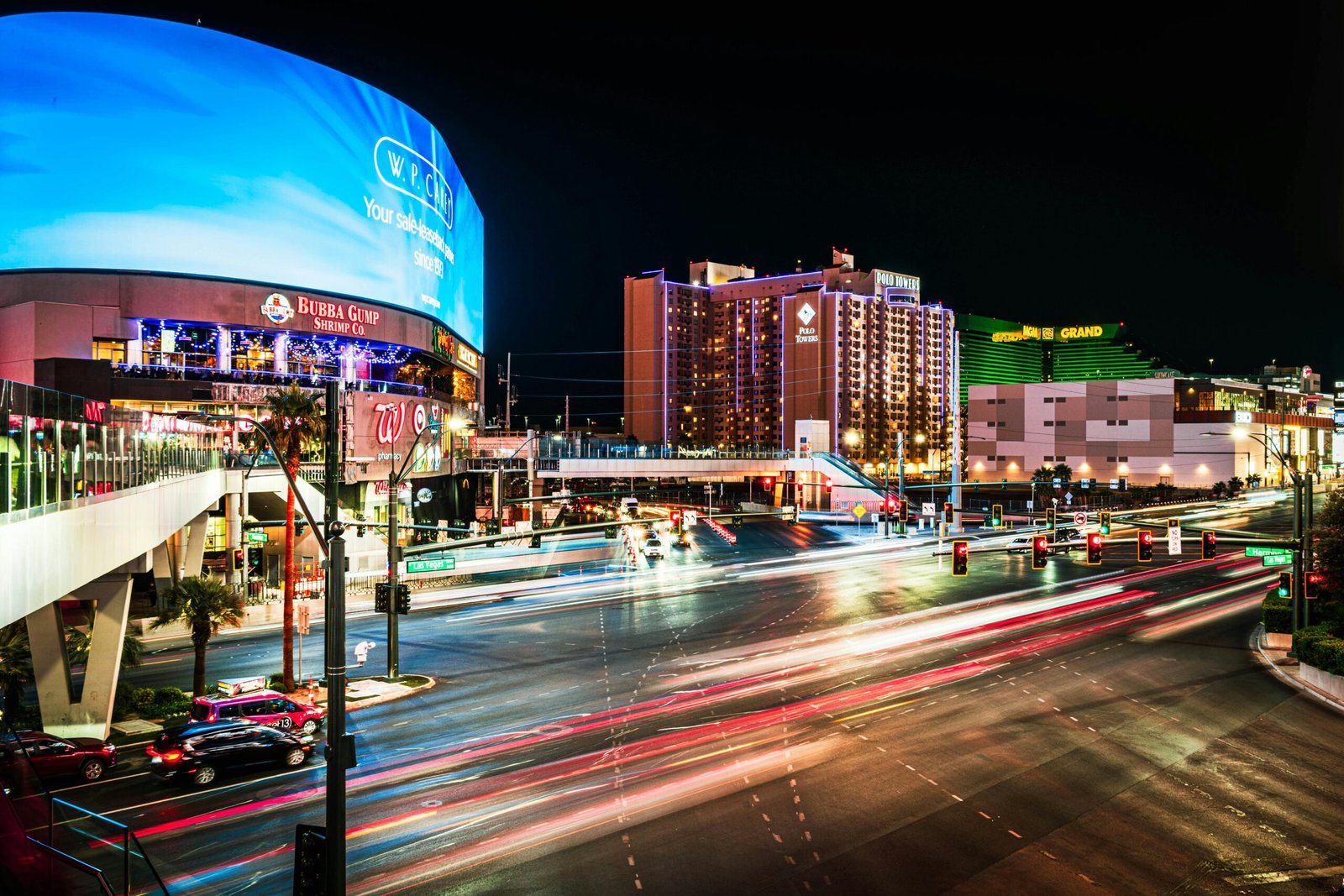
Cities built on tourism face a unique security environment. High visitor turnover, large-scale events, nightlife economies, and dense pedestrian traffic create unique security risks that differ significantly from non-tourism markets.
Las Vegas exemplifies these challenges—and understanding them is essential for businesses operating in similar environments.
High Foot Traffic and Transient Populations
Tourism-driven cities experience constant population shifts. Visitors are unfamiliar with layouts, policies, and risks, which increases opportunities for theft, disorderly conduct, and exploitation.
Security teams must manage access control, monitor behavior, and intervene early to prevent minor issues from escalating.
Nightlife and Alcohol-Related Incidents
Extended operating hours and alcohol consumption increase the likelihood of conflicts, injuries, and liability exposure. Passive security presence is rarely sufficient in these settings.
Active deterrence, visible patrols, and officers trained in de-escalation are essential to maintaining safety without disrupting business operations.
Large Events and Crowd Dynamics
Conventions, concerts, and sporting events compress large populations into confined spaces. Poorly managed crowd flow, access points, and response planning create security gaps.
Effective event security requires officers who can actively manage behavior, enforce rules, and coordinate response—not just observe.
Organized Theft and Targeted Crime
Tourism hubs attract organized retail theft and property crime. Criminals exploit predictable security routines and limited engagement authority.
Dynamic patrol patterns and active enforcement disrupt reconnaissance and reduce repeat incidents.
What Businesses in Tourism Markets Should Do
Step 1: Ensure security officers are trained and authorized to actively engage and deter problematic behavior before incidents escalate.
Step 2: Adjust security coverage based on event schedules, seasonal volume, and operating hours—not static contracts.
Step 3: Implement mobile patrols and visible movement to prevent predictable security patterns.
Pro Tip: In tourism-driven cities, deterrence is most effective when security is seen, mobile, and willing to engage—criminals avoid uncertainty.
Ready to Secure Your Tourism-Driven Business?
If your business operates in a tourism-driven environment and requires security that actively manages risk instead of reacting after incidents occur, Sec One Security can help you build a proactive protection plan.
Headquarters: Las Vegas, Nevada
Phone: +1 (702) 276-7285
Email: Info@seconesecurity.com