
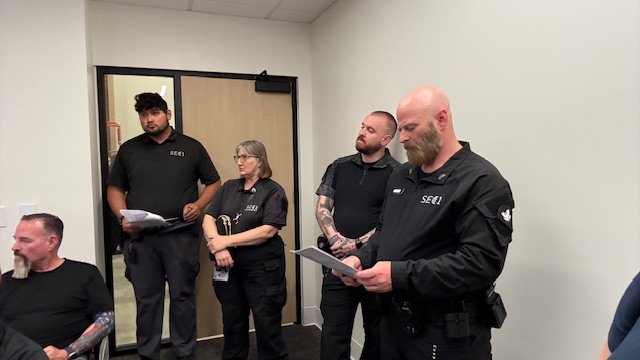
Las Vegas has always required a higher standard of security than most U.S. cities. The combination of tourism density, 24/7 operations, cash-heavy businesses, large events, and critical infrastructure creates a threat environment that continues to evolve. As we move into 2026, commercial security in Las Vegas is being shaped by three dominant forces: risk convergence, staffing realities, and active deterrence.
Thank you for reading this post, don't forget to subscribe!A More Complex Threat Landscape
Commercial properties in Las Vegas are no longer managing isolated risks. Physical security threats now intersect with insider activity, organized theft, crowd dynamics, and emergency response challenges. Retail centers face coordinated retail theft. Hospitality venues must manage access control, intoxicated patrons, and high-volume foot traffic. Construction sites remain targets for theft and vandalism.
In this environment, passive observe-and-report security models are insufficient. Businesses increasingly require security that can identify risk early, deter unwanted behavior, and intervene before incidents escalate.
Guarding Models Are Shifting Toward Active Deterrence
Businesses are rethinking how security officers are deployed. Rather than relying solely on stationary posts, many organizations are adopting proactive, engagement-based security models that combine on-site officers, mobile patrols, and technology-supported response.
On-site officers are trained to actively deter threats, enforce property rules, and respond in real time. Mobile patrol units extend coverage, eliminate predictable routines, and disrupt criminal reconnaissance. Surveillance systems and access control support decision-making and documentation, but do not replace human intervention.
This layered approach improves visibility, reduces response times, and lowers overall incident frequency.
Training, Authority, and Compliance Matter More Than Ever
Nevada licensing requirements, use-of-force standards, and site-specific training expectations continue to tighten. Property owners are increasingly accountable not just for having security present, but for ensuring officers are trained to lawfully engage, de-escalate situations, and act within clearly defined authority.
In 2026, professionalism means situational awareness, communication skills, documented procedures, and consistent supervision. Security is no longer a passive function—it is an operational risk control.
Local Knowledge Is a Force Multiplier
Las Vegas is not a generic market. The security needs of a casino, a residential high-rise, a logistics yard, and a school campus differ significantly. Providers with local operational knowledge understand traffic patterns, event cycles, tourist surges, and emergency coordination requirements.
Local expertise allows security teams to anticipate risks and deter incidents before they occur, rather than reacting after damage is done.
What Businesses Should Do Now
Step 1: Review whether your current security presence is empowered and trained to actively deter threats, not just observe and report activity.
Step 2: Introduce mobile patrol or dynamic post movement to eliminate predictable security patterns that offenders exploit.
Step 3: Confirm that your security provider documents officer training, response authority, and escalation protocols in compliance with Nevada regulations.
Pro Tip: Properties that experience fewer incidents typically rely on visible, mobile, and engaged security—deterrence works best before enforcement becomes necessary.
Ready for Your Free Security Assessment?
If you operate a commercial property in Las Vegas and need security that actively deters threats and responds decisively, Sec One Security can help design a protection strategy aligned with real-world risks.
Headquarters: Las Vegas, Nevada
Phone: +1 (702) 276-7285
Email: Info@seconesecurity.com