
Businesses evaluating security options are often presented with three primary models: physical on-site security, mobile patrol services, and remote monitoring systems. Each has value, but they are not interchangeable. The effectiveness of any security program depends on how well the model aligns with risk, layout, and operational demands.
The most common mistake businesses make is choosing a solution based on cost alone rather than outcomes.
Physical On-Site Security
Physical security officers provide immediate presence and response. When deployed correctly, they act as an active deterrent—engaging suspicious behavior, enforcing property rules, de-escalating conflicts, and responding to incidents as they develop.
This model is most effective in high-traffic environments, properties with public access, and locations where immediate intervention is critical.
However, static observe-and-report posts limit effectiveness if officers are not empowered to move, engage, and act.
Mobile Patrol Services
Mobile patrols extend deterrence across larger areas and eliminate predictable security patterns. Patrol officers actively check access points, parking areas, and perimeters while remaining visible and responsive.
This model works well for commercial complexes, construction sites, HOAs, and properties that do not require a constant on-site presence but still need active threat deterrence.
Mobile patrols are not passive—they are designed to interrupt criminal behavior before incidents escalate.
Remote Monitoring and Surveillance
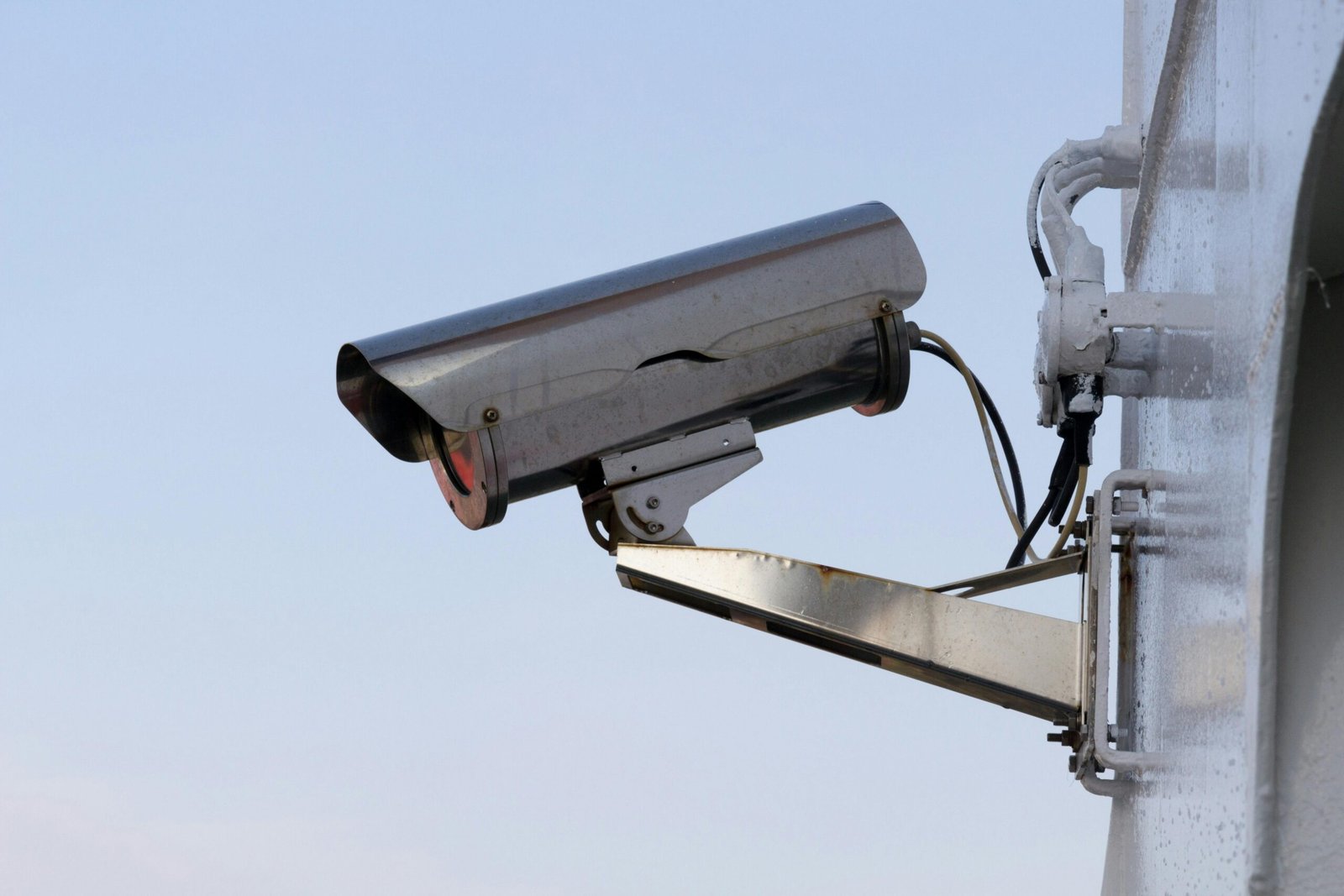
Remote monitoring systems such as cameras, alarms, and access control provide valuable visibility and documentation. They support investigations and improve situational awareness.
However, technology alone does not deter determined offenders. Cameras observe; people deter. Remote systems are most effective when paired with officers who can respond, intervene, and enforce.
Why Hybrid Models Perform Best
The most effective security programs combine all three approaches. Active on-site or patrol officers supported by surveillance technology deliver faster response, stronger deterrence, and better outcomes than any single method alone.
Security should be layered, adaptive, and risk-driven.
How to Choose the Right Model
Step 1: Identify where immediate intervention is required versus where periodic patrol coverage is sufficient.
Step 2: Avoid fixed, passive posts—ensure officers are mobile, visible, and empowered to engage.
Step 3: Use surveillance and monitoring to support active security personnel, not replace them.
Pro Tip: If a security solution cannot deter behavior in real time, it is documenting risk—not reducing it.
Ready for a Layered Security Strategy?
If you want help designing a layered security strategy that actively deters threats rather than just observing them, Sec One Security can evaluate your property and recommend the right combination of personnel and technology.
Headquarters: Las Vegas, Nevada
Phone: +1 (702) 276-7285
Email: Info@seconesecurity.com