
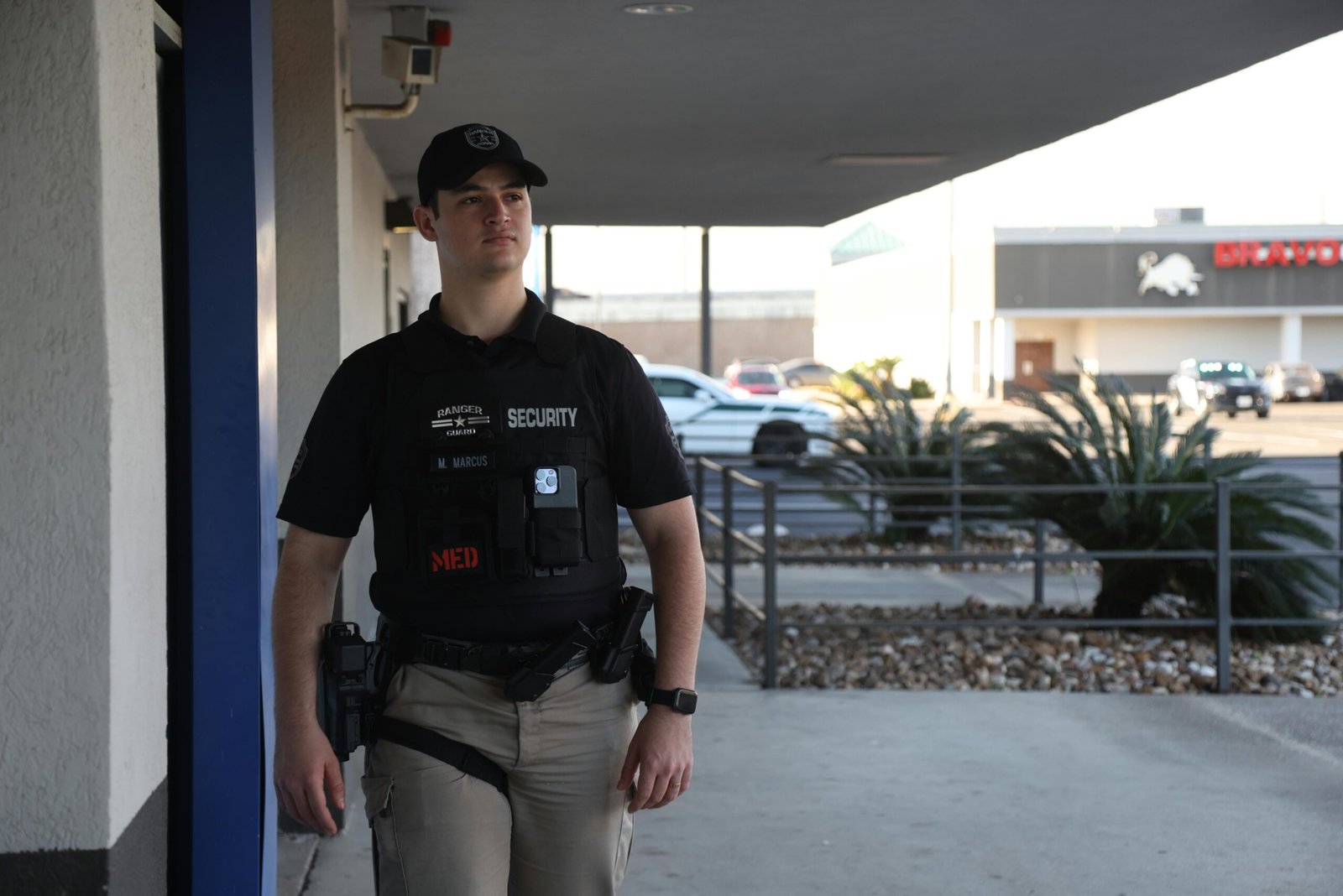
One of the most common questions business owners ask is also one of the most misunderstood. How much professional security costs depends not only on hours and headcount, but on what role security is expected to play.
There is a meaningful difference between paying for passive observation and investing in active threat deterrence and response.
The Core Cost Drivers
Type of Security Service
Security pricing varies based on responsibility, authority, and risk exposure. Active unarmed officers are trained to deter trespassing, enforce policies, engage suspicious behavior, and respond to incidents. Armed officers command higher rates due to advanced training, licensing, and liability requirements. Mobile patrol services provide cost-efficient deterrence across larger properties. Event security pricing varies based on crowd size, duration, and risk profile.
Security designed to intervene early typically costs more than observe-and-report services, but also prevents losses that passive coverage cannot.
Coverage Hours and Deployment Strategy
Security expenses increase with coverage time, but effectiveness matters more than total hours. Many businesses overspend by staffing static posts around the clock when active coverage during peak-risk periods would deliver better results.
Strategic deployment reduces both incidents and unnecessary labor costs.
Property Size, Layout, and Risk Exposure
Multiple access points, parking structures, and public-facing areas increase exposure. Active patrol strategies reduce blind spots and improve response speed without proportionally increasing staffing levels.
Risk Profile and Liability
Cash handling, nightlife operations, construction activity, and high visitor turnover elevate risk. These environments require officers who can lawfully intervene, de-escalate conflicts, and coordinate response. Cutting costs in high-risk settings often results in greater financial loss.
Common Cost Mistakes Businesses Make
Businesses often select providers based solely on hourly rate, pay for passive observe-and-report coverage when active deterrence is needed, fail to reassess security as operations change, and underestimate the cost of incidents, claims, and reputational damage.
Professional security should be evaluated based on outcomes, not just presence.
How to Control Costs Without Sacrificing Protection
Step 1: Align security coverage with high-risk hours and ensure officers are empowered to actively deter and respond during those periods.
Step 2: Combine mobile patrols with surveillance technology to reduce reliance on fixed, passive posts.
Step 3: Require detailed incident and activity reports that demonstrate engagement, deterrence actions, and response—not just observations.
Pro Tip: The lowest hourly rate often delivers the least protection. Well-trained, actively engaged officers prevent incidents that passive coverage simply documents.
Ready to Reduce Your Business Risk?
If you want a realistic understanding of what effective, active security should cost—and how to structure coverage that actually reduces risk—Sec One Security can provide a tailored assessment based on your property and operational needs.
Headquarters: Las Vegas, Nevada
Phone: +1 (702) 276-7285
Email: Info@seconesecurity.com